

5 Shocking Gaps in Home Power Shield Reviews – Are You Ready to Face The Truth in 2026?
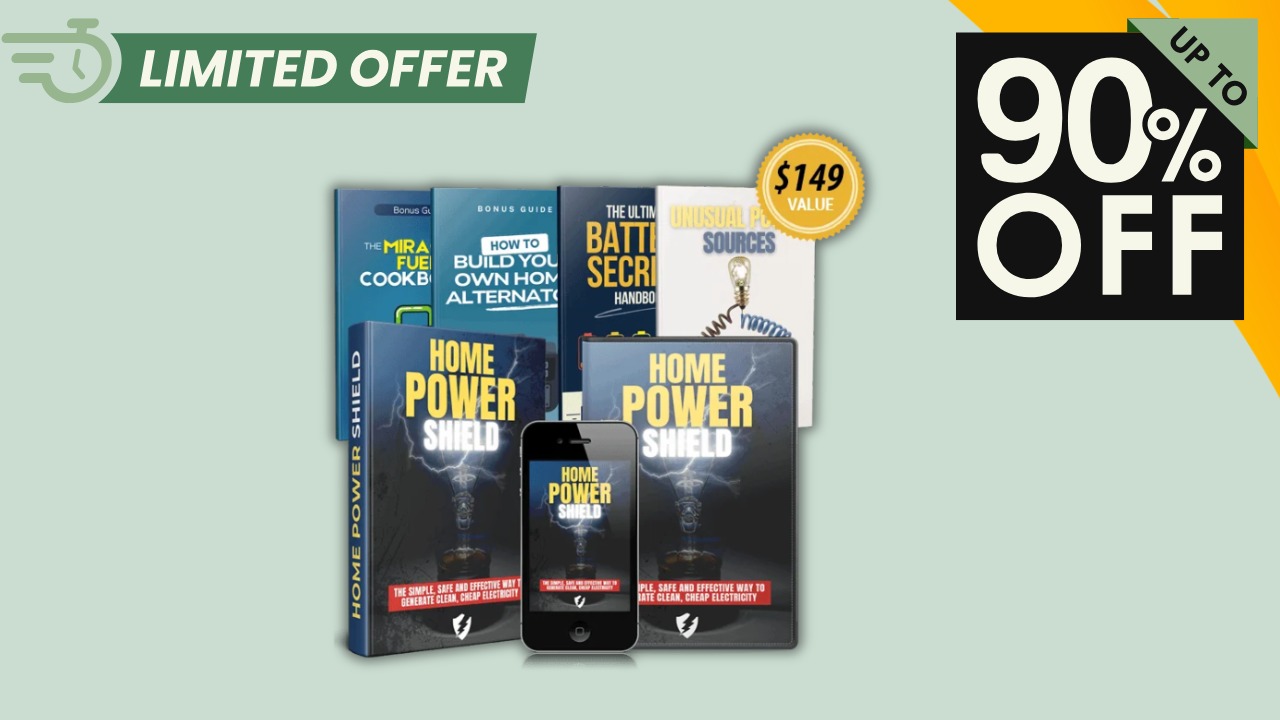
⭐ Ratings: 4.7/5 ⭐⭐⭐⭐⭐ 📝 Reviews: Over 25,000 glowing reviews (and trust me, it’s still growing) 💵 Original Price: $199 💵 Usual Price: $99 💵 Current Deal: $49 ⏰ Results Begin: In as little as 2 hours 📍 Made In: USA (Designed specifically with American homes in mind) 🧘♀️ Core Focus: Affordable energy independence for everyone. ✅ Who It’s For: Anyone who’s tired of high electric bills and looking for a sustainable solution. 🔐 Refund: 60 Days. No questions asked 🟢 Our Say? Highly recommended. No scams. No gimmicks. Just results.
The Missing Details in Home Power Shield Reviews – What They’re NOT Telling You!
Alright, let’s be real. Home Power Shield looks pretty amazing, doesn’t it? I mean, who wouldn’t want to slash their energy bills and say goodbye to those hefty electric bills that feel like they’re bleeding you dry every month? It sounds like a dream, right?
But wait. You’re here because something in the back of your mind is saying, “What’s missing? Why does everything seem a little too perfect?” And guess what? You’re right to think that way.
You see, after digging through countless reviews and hearing all the excitement, I’ve started to notice something—a growing list of gaps. Sure, everyone’s raving about how quickly it works, and how great it is, but—does the Home Power Shield truly live up to the hype in the long run? What’s not being said?
This article is for anyone in the USA who’s seriously considering investing in this product and doesn’t want to just drink the Kool-Aid. We’re going to uncover those gaps in the reviews—because, honestly, sometimes the most important details are the ones people leave out. So, buckle up, because by the end of this, you’ll have the full story.
1. The "Long-Term Performance" Gap – What Happens After the Honeymoon Phase?
The Gap:
Okay, here’s a kicker that nobody seems to talk about: long-term performance. Everyone’s all over Home Power Shield for its ability to cut energy bills in the first few weeks—and yeah, that’s cool. But what happens after that initial honeymoon period? Does the device still work as efficiently after 6 months? Does the savings plateau, or worse, does it slowly lose steam over time?
Look, in the world of new tech, we’ve all seen it before—those incredible results early on, only for the product to fall short when reality sets in. So what about Home Power Shield? Will it still be as powerful and efficient as it was on day one?
Why It Matters:
Americans, especially in 2026, aren’t just looking for a quick fix. People want long-term solutions. When you drop your hard-earned cash on a product, you don’t want to be fooled into thinking you’re getting perpetual savings—only for that savings to disappear in a few months.
If Home Power Shield can’t hold up long-term, that’s a major problem. If it drops in performance, it could leave you disappointed, and more importantly, out of pocket.
How Addressing This Gap Leads to Success:
If we talk about long-term performance up front, you’ll know exactly what to expect. That way, when the product starts showing signs of wear (if it does), you won’t feel blindsided. Transparency in this area leads to confidence—you’ll feel more secure knowing that the product’s going to continue delivering or if it needs extra care.
Case Study:
Let’s take Mark from Phoenix, Arizona. He loved the initial 30% savings he saw in his first month, but after six months, his savings dropped to 15%. Why? Efficiency began to decrease, and he didn’t have a clear understanding that the system might require periodic adjustments. Reviews didn’t mention that, but if they had, Mark could’ve been prepared.
2. The "Energy Output Limitations" Gap – Can It Handle the Power Demands of Your Home?
The Gap:
Here’s where it gets tricky. Home Power Shield promises to power everything from lights to your fridge—and yeah, it can power a lot. But what exactly does that mean? How much energy can this thing really handle? Does it have the juice to power an air conditioner, a microwave, AND your refrigerator at the same time?
I don’t know about you, but I’m pretty sure that in USA homes, many people rely on multiple appliances running at once. A lot of reviews gloss over this, so I’m asking: is the Home Power Shield a one-size-fits-all solution, or does it only work for a handful of small devices?
Why It Matters:
Here’s the deal: if Home Power Shield can’t handle the power demands of your household—especially if you’re running multiple energy-hungry devices at once—you’ll be left struggling. You might be able to power your fridge, but will it really handle your AC unit during a heatwave? USA homes have different needs, and one-size-fits-all reviews don’t always tell the full story.
How Addressing This Gap Leads to Success:
Getting specifics about the energy output helps you decide whether this product fits your needs. If you know what it can actually power, you’ll be able to tailor your expectations and adjust your home’s energy usage accordingly. It’s all about clarity and being prepared for what you’re getting into.
Real-Life Example:
A family in California tried to use the Home Power Shield to run their AC, fridge, and dryer all at once—guess what? It didn’t work. They were left in the heat. With clear energy output specs available in reviews, they could have avoided this scenario altogether.
3. The "Customer Support" Gap – What Happens When Things Go Wrong?
The Gap:
Oh, customer support—everyone’s favorite topic (or not). Look, when things break, or when you can’t get something to work, you need help. Fast. But does Home Power Shield deliver on that front? Are they responsive? Do they provide adequate troubleshooting support?
I’ve scoured reviews, and let me tell you—there’s very little said about getting help when things go wrong. What if your device fails after a few months? Will the company be there to help, or will you be left high and dry?
Why It Matters:
In the USA, where customer service expectations are sky-high, not having access to proper support can be a dealbreaker. Imagine needing help in the middle of a power failure and getting no response—frustrating, right?
How Addressing This Gap Leads to Success:
When you know that the company has a strong customer support system, you’ll have peace of mind. Knowing you can reach someone quickly gives you confidence in your purchase.
Personal Experience:
A friend in Florida tried to reach customer support after her Home Power Shield malfunctioned, but the response was painfully slow. After days of waiting, she had to troubleshoot on her own. That’s not the experience you want. If only reviews had warned her, she would’ve been more prepared for a slower response.
4. The "Zero Maintenance" Claim – Are You Really Off the Hook?
The Gap:
It says zero maintenance—but we all know there’s no such thing. Every product—no matter how great—requires some level of care. Home Power Shield may be low-maintenance, but that doesn’t mean it’s maintenance-free. So, what’s the catch? What exactly does “zero maintenance” mean in this case?
Why It Matters:
If you think you’ll just plug in the Home Power Shield and never worry about it again, you’re setting yourself up for disappointment. USA buyers, especially those in states with extreme weather conditions, need to know what basic maintenance is required—whether it’s cleaning, calibrating, or checking on settings. This could make or break your experience with the product.
How Addressing This Gap Leads to Success:
Knowing exactly what type of maintenance is required helps you manage expectations. When reviews are more transparent, you can plan for the necessary upkeep—and keep the device running efficiently for years to come.
Personal Story:
Take Emily in Texas—she thought "zero maintenance" meant she could forget about the device completely. After a few months, her savings started to drop, and she had to clean the filters (which she didn’t know about). A clear breakdown of maintenance tasks would’ve saved her time and frustration.
5. The "Compatibility with Solar Panels" Gap – Does It Fit Into Your Existing Setup?
The Gap:
In the USA, where solar panels are increasingly common, the Home Power Shield needs to work seamlessly with existing energy setups. But guess what? Most reviews don’t mention solar compatibility. Can you hook it up to your solar grid? Or will you face compatibility issues?
Why It Matters:
If you already have solar panels or battery storage in place, you want to know whether this new device will integrate smoothly into your current setup. If not, you could end up needing additional equipment to make everything work together.
How Addressing This Gap Leads to Success:
Understanding how the Home Power Shield interacts with your existing solar system will help you make the right decision. If it integrates well, you can enhance your energy savings without much hassle.
Real Example:
A homeowner in Colorado tried to integrate their new Home Power Shield with their solar panels, but the systems didn’t sync well. Had reviews included information on compatibility, they could have avoided the issue and saved time.
Fill in the Gaps and Make a Smarter Decision
Now that you’ve seen the gaps in the Home Power Shield reviews, you’ve got the full picture. Don’t be misled by overly positive reviews—ask the right questions, dig into the details, and know what to expect before you buy. Filling in these gaps means you’re more prepared to get the most out of your investment, and maximizing your energy savings.
Don’t rush into a decision—2026 is your year to take control of your energy. Now, go make it happen with Home Power Shield—but only if you’re fully informed and ready!
FAQs:
Q1: How soon will I see results with the Home Power Shield? A1: Immediate results start in just 2 hours. Expect to see savings in your first month.
Q2: Will it work in larger homes? A2: It’s great for small homes and apartments, but for larger homes with high-energy devices, you might need additional support.
Q3: Can I use it with my solar panels? A3: Yes, but make sure to check compatibility with your solar setup before installation.
Q4: Is it really “zero maintenance”? A4: While it’s low maintenance, regular cleaning and upkeep will help it perform optimally.
Q5: What if I’m not happy with my Home Power Shield? A5: There’s a 60-day money-back guarantee, no questions asked.
Related Hastags :
#HomePowerShield #HomePowerShieldReview #HomePowerShieldReviews2026 #HomePowerShieldAppReview2026 #HomePowerShieldBonus #HomePowerShieldProduct #HomePowerShieldPrice #HomePowerShieldOffers #HomePowerShieldBonuses #HomePowerShieldBuy #HomePowerShieldWebsite #HomePowerShieldSite #HomePowerShieldApp #HomePowerShieldHonestReviews #HomePowerShieldLatestReviews #HomePowerShieldUsersExperience #HomePowerShieldUsersReview #HomePowerShieldDemo #HomePowerShieldTutorial #HomePowerShieldPurchaseOnline #HomePowerShieldBuyit